Overgrowth Removed Before It Spreads
Brush Cutting in Harvest for vacant lots and rural properties overtaken by thick vegetation
Unchecked brush growth transforms vacant lots and undeveloped land into inaccessible spaces where visibility drops, pests hide, and property boundaries disappear under layers of weeds and thick vegetation. Once brush cutting finishes, sight lines return, the ground becomes walkable, and the property no longer looks abandoned or neglected. ClearCut Land Services removes brush, weeds, and unmanaged vegetation from residential and rural properties across Harvest, restoring accessibility and appearance to land that has been left unattended.
Cutting addresses vegetation density by removing growth at ground level and clearing obstacles that prevent mowing or further land management, with equipment selected based on how thick the brush has become and what terrain conditions exist. Properties with seasonal weed growth require different approaches than acreage overtaken by woody shrubs and saplings that have established root systems.
Schedule a free estimate and property evaluation to review vegetation conditions and determine the cutting approach your land requires.
What Brush Cutting Actually Accomplishes
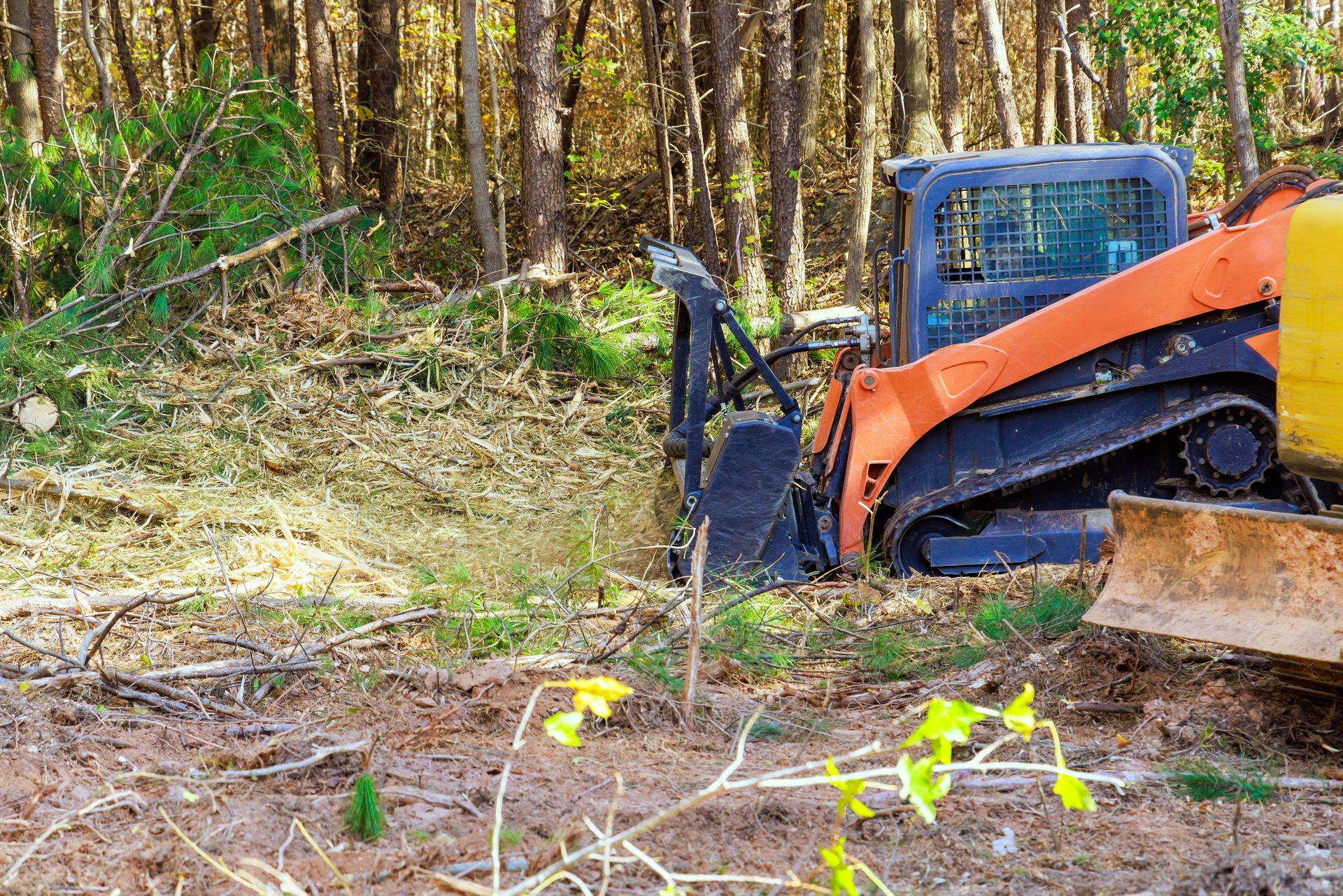
Brush cutting removes the above-ground growth that blocks access and creates hiding areas for snakes, rodents, and other pests common to overgrown properties in north Alabama. The work clears paths, opens up property lines, and eliminates fire hazards tied to dry brush accumulation during summer months. Equipment cuts through dense vegetation that standard mowing equipment cannot handle, leaving the site ready for follow-up maintenance or further land improvement work.
After cutting, you notice cleared ground, visible property boundaries, and vegetation reduced to a manageable height that no longer obstructs movement or creates safety concerns. The lot looks maintained rather than abandoned, and ongoing vegetation control becomes possible with regular mowing or seasonal cutting. Properties regain usable outdoor space, and neighbors no longer complain about overgrowth spilling across property lines.
Cutting does not remove root systems, so properties prone to aggressive regrowth may need periodic maintenance to prevent vegetation from returning to previous density. Frequency depends on vegetation type, rainfall patterns, and how quickly invasive species reestablish themselves after initial cutting.
Answers to Frequent Service Questions
Questions about brush cutting often focus on what gets removed and how the property changes after the work completes.
What types of vegetation does brush cutting remove?
Cutting handles thick weeds, brambles, overgrown grasses, small saplings, and woody shrubs that prevent access or create maintenance challenges, with equipment capable of processing vegetation too dense for standard lawn mowers.
How does cutting differ from mulching or clearing?
Brush cutting removes above-ground growth without grinding vegetation into mulch or extracting root systems, making it suitable for properties needing immediate overgrowth reduction before deciding on long-term land management approaches.
When should brush cutting be scheduled?
Cutting works best before vegetation reaches maximum height during growing season or after fire risk increases due to dry conditions, with timing in Harvest often planned around spring growth spurts or late summer when weeds and brush create visibility and safety concerns.
What happens to the cut vegetation?
Cut material is typically removed from the site or processed depending on debris volume and property access, with options discussed during the estimate based on what disposal methods suit the project scope.
Why does overgrowth return after cutting?
Brush cutting removes visible growth but leaves root systems intact, so vegetation regrows at rates determined by species type, soil moisture, and seasonal conditions, with some properties requiring follow-up cutting within months while others remain clear longer.
ClearCut Land Services customizes brush cutting based on vegetation density and property conditions observed during free estimates. Call (256) 617-5422 to arrange an evaluation and discuss how cutting restores accessibility to overgrown lots and acreage.