Overgrowth Controlled Across Large Acreage
Bush Hogging and Field Mowing in Harvest for heavy grass, weeds, and unmanaged vegetation on open land
Fields and pastures left unmowed develop thick stands of grass, woody saplings, and invasive weeds that standard mowing equipment cannot handle. The vegetation reduces usable acreage, harbors pests, and increases fire risk during dry periods typical of Alabama summers. ClearCut Land Services uses bush hogging to cut through dense overgrowth on properties in Harvest where conventional mowers fail, restoring open fields to manageable condition and supporting routine vegetation control on residential, agricultural, and recreational land.
Bush hogging cuts vegetation several feet tall, including saplings up to a few inches in diameter, using heavy rotary blades that pulverize material rather than leaving long clippings. The process clears fields for grazing, maintains firebreaks, prepares land for future development, and controls invasive species before they dominate the landscape. Mowing frequency and cutting height adjust based on vegetation type, property use, and whether the goal is seasonal maintenance or initial reclamation of neglected acreage.
Request a free quote to evaluate acreage size and vegetation density for mowing services.
What Proper Vegetation Control Requires
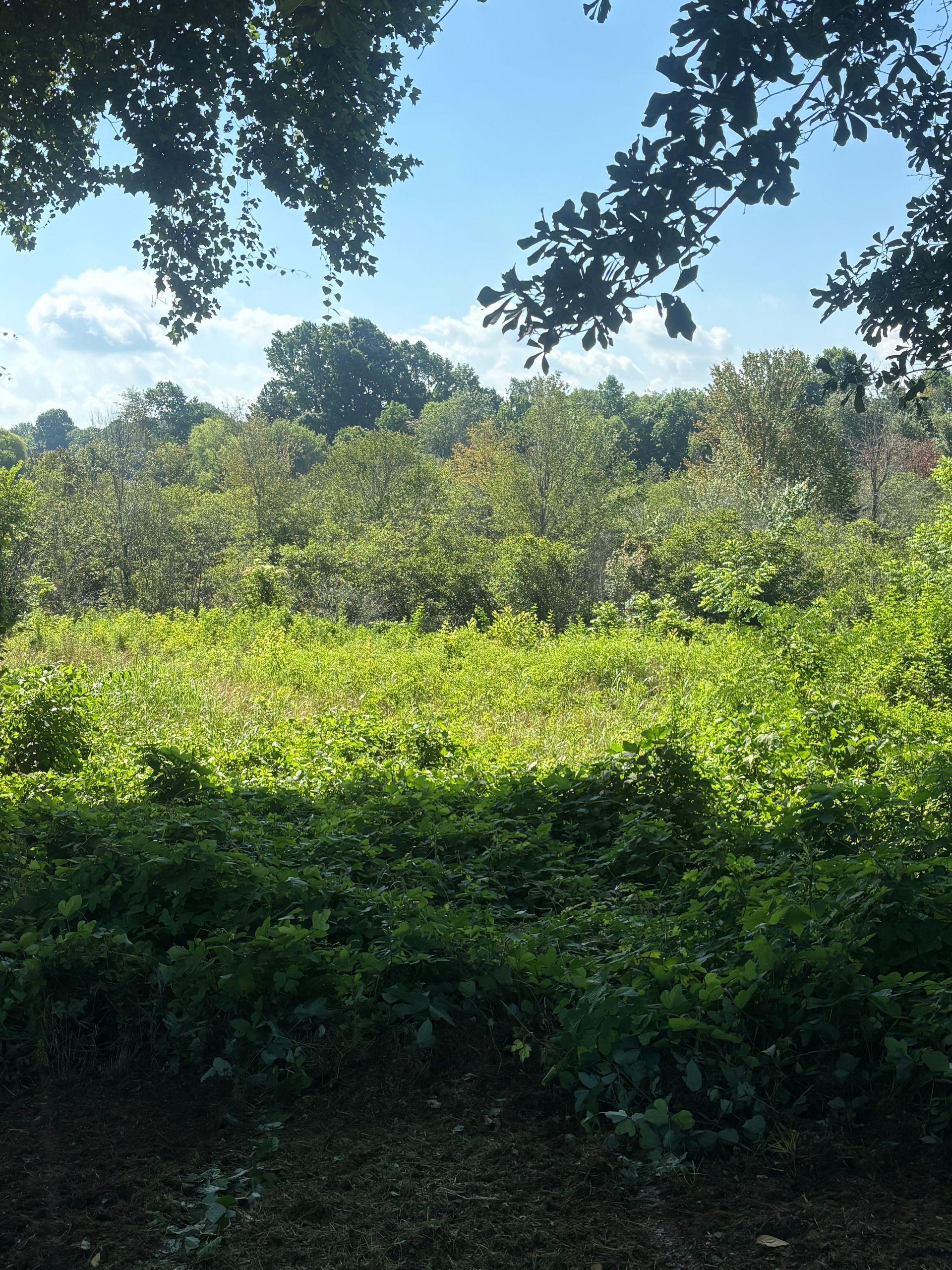
Bush hogging addresses properties where vegetation height and density exceed what a lawn tractor or finish mower can manage, typically three feet or taller with mixed grasses, brambles, and young woody growth. Equipment is selected based on terrain slope, obstacle density, and whether the site has hidden debris or uneven ground that requires slower, more careful passes. Cutting is timed to avoid nesting seasons when possible and scheduled to prevent seed head dispersal that accelerates regrowth of invasive species.
After mowing, you see clear sightlines across the property, tick and snake habitat is reduced, and access routes open up for vehicles and equipment that were previously blocked by vegetation. The field becomes usable for recreation, grazing, or future projects rather than sitting as unusable tangle. Fire risk drops because dry grass and brush are cut low, and property boundaries become visible again instead of obscured by overgrowth.
Some properties need one-time clearing to bring vegetation under control, while others benefit from seasonal mowing schedules that prevent regrowth from reaching problem heights. Areas near structures or fencing may require follow-up with smaller equipment to trim closer without risking damage to improvements.
What Property Owners Usually Ask
Clients managing large properties or reclaiming neglected land often have questions about timing, terrain limitations, and what bush hogging can realistically accomplish.
What types of vegetation can bush hogging cut?
Equipment handles tall grass, brambles, weeds, brush, and saplings up to a few inches thick, along with vines and dense groundcover that standard mowers cannot process.
How often should fields be mowed to maintain control?
Properties used for grazing or recreation typically benefit from mowing once or twice per growing season, while land being held for future development may only need annual cutting to prevent woody encroachment and keep vegetation manageable.
Can bush hogging be done on sloped or uneven terrain?
Equipment handles moderate slopes and rough ground, though very steep areas or terrain with significant obstacles like large rocks or hidden debris may require slower passes or alternative clearing methods to avoid equipment damage.
When is the best time to schedule mowing in Harvest?
Late spring and early fall align with peak growth periods and allow cutting before vegetation sets seed, though mowing can be done throughout the growing season depending on property conditions and immediate needs.
What should property owners do before mowing begins?
Walk the field to identify and mark obstacles like buried stumps, wire, or equipment, and flag any areas with specific features you want protected, such as young trees or wildlife habitat you're preserving.
ClearCut Land Services tailors bush hogging to your acreage and vegetation conditions. Contact us to discuss field mowing and schedule service based on your property's current state.