
Boundaries Accessible for Installation and Maintenance
Fence Line Clearing in Harvest for properties preparing for new fencing or maintaining existing boundaries
Vegetation growing along fence lines blocks access for installation crews, hides property boundaries, and creates maintenance challenges that shorten fence lifespan when roots and brush push against posts and panels. ClearCut Land Services clears brush, trees, and debris along existing or planned fence lines across Harvest and surrounding areas, removing obstacles that interfere with fencing work and long-term property boundary management. The service prepares residential, agricultural, and rural properties for new fence installation or restores visibility and access to existing fence structures overtaken by overgrowth.
Clearing involves removing vegetation within a defined corridor along the fence line, typically several feet on either side depending on fence type and maintenance access requirements. The work accounts for root systems that could later disrupt fence posts and ground conditions that affect installation equipment access, particularly on properties with sloped terrain or clay-heavy soil common to north Alabama.
Request a free quote to discuss fence line clearing requirements and review property boundary conditions before installation or maintenance work begins.
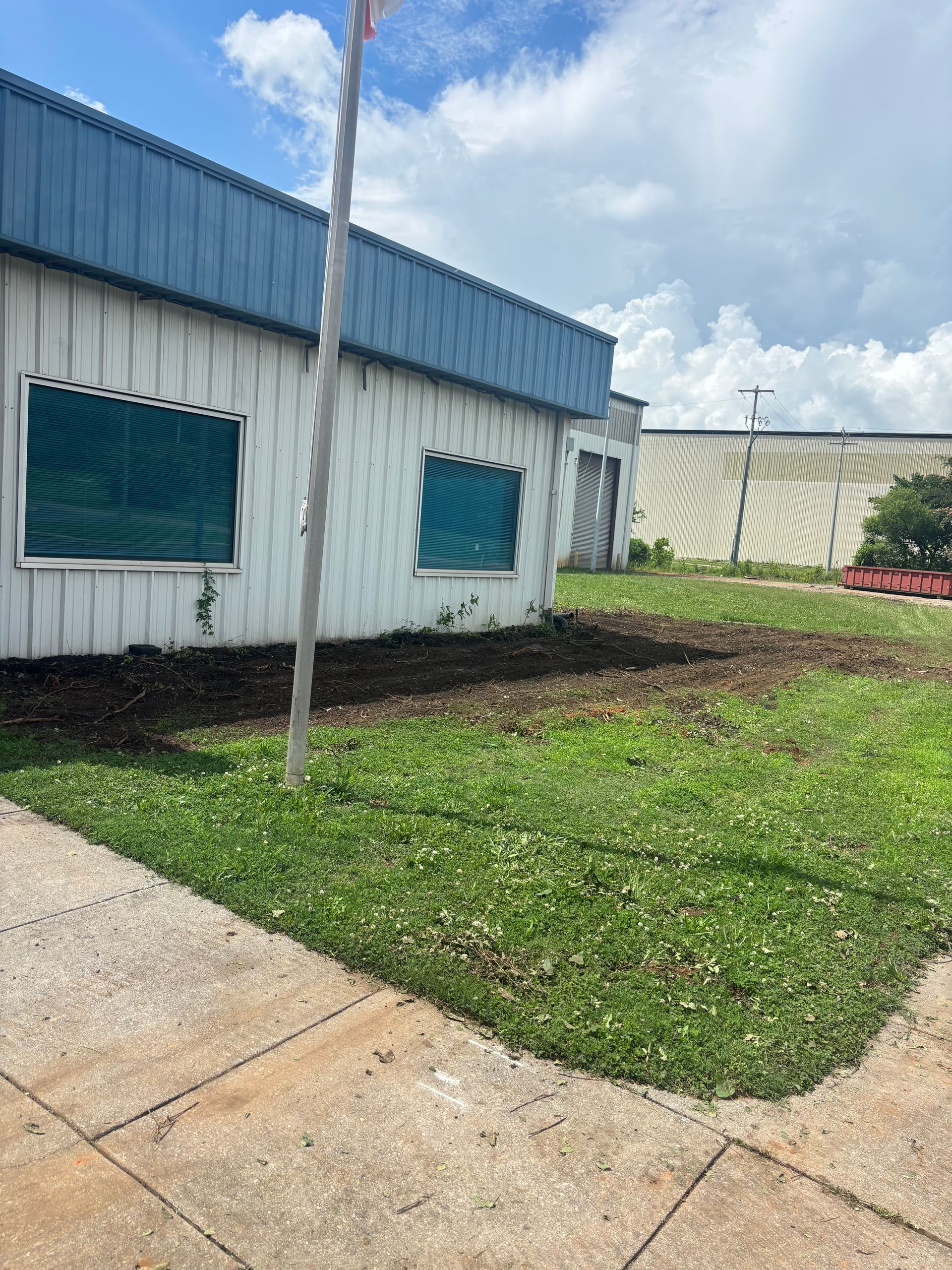
What Changes After Fence Line Clearing
Fence line clearing creates a defined corridor free of brush, saplings, and debris that previously blocked access or hid boundary markers, with vegetation removed to a width that accommodates installation equipment and future maintenance needs. The process exposes existing fence structures, reveals property corners, and eliminates root systems that could interfere with post placement or panel alignment during installation.
Once clearing completes, property lines become visible from a distance, installation crews can position equipment without cutting additional vegetation, and existing fences no longer disappear under layers of overgrowth. The cleared corridor remains accessible for repairs, painting, or panel replacement without requiring separate vegetation removal before each maintenance task. Properties with livestock benefit from clearer boundaries that prevent animals from pushing through weakened fence sections hidden by brush.
Clearing width varies based on fence type, with livestock fencing requiring wider corridors for ongoing inspection and wire fencing needing less clearance than privacy fence installations. The approach also considers whether the property needs clearing on one side or both sides of the planned fence line, depending on access requirements and neighboring land conditions.
Questions Before Starting Your Project
Fence line clearing questions often address project scope and how the work prepares properties for fencing installation or maintenance.
What gets removed during fence line clearing?
Clearing removes brush, small trees, roots, stumps, and debris within the defined corridor along the fence line, with obstacles eliminated to allow installation equipment access and prevent future vegetation interference with fence structures.
How wide does the cleared area need to be?
Clearing width depends on fence type and maintenance access needs, typically ranging from three to eight feet on each side of the fence line, with agricultural properties often requiring wider corridors than residential installations.
When should clearing happen before fence installation?
Clearing should occur early enough to allow ground settling and permit surveyors or installation crews to mark exact fence placement, with timing adjusted for seasonal weather conditions that affect equipment access in Harvest.
What does fence line clearing include for existing fences?
Clearing around existing fences removes overgrowth that blocks visibility and access, exposes damaged sections needing repair, and eliminates vegetation pushing against posts or panels that could cause structural failure over time.
Why does clearing improve fence longevity?
Removing vegetation and roots prevents ongoing pressure against fence posts and panels, reduces moisture retention that accelerates wood rot or metal corrosion, and maintains access for repairs that extend fence lifespan before major replacement becomes necessary.
ClearCut Land Services coordinates fence line clearing with overall site improvement goals, ensuring properties are ready for installation or ongoing boundary management. Request an estimate at (256) 617-5422 to review your fence line conditions and discuss clearing scope based on current vegetation and project plans.